Dump Guides: What to Know About Local Dump Sites Before You Go
Wiki Article
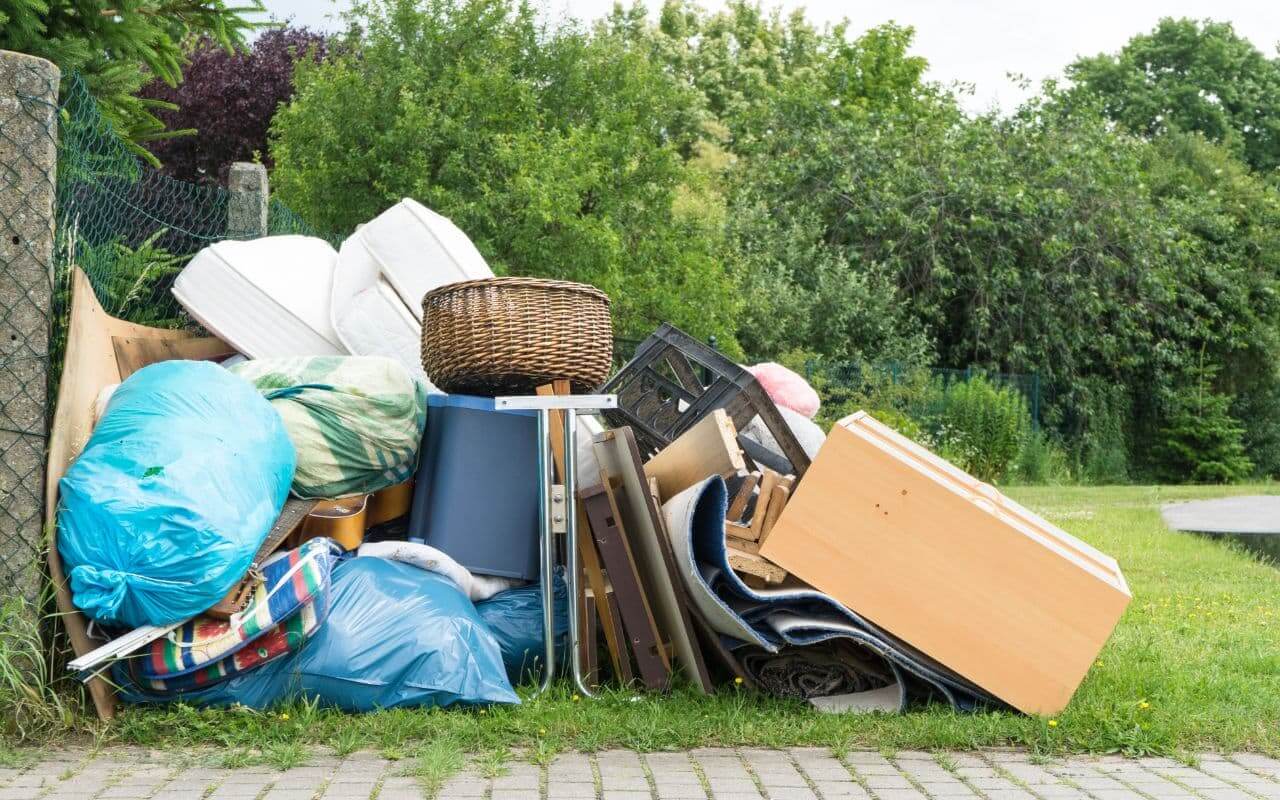
Dump guides are useful resources proper trying to understand local waste disposal options. They could help you find nearby dumps or transfer stations, understand disposal rules, check possible fees, and determine what to do with several types of household junk.
These dump guides also can create a junk removal project simpler to plan. Whether you are cleaning a storage, removing old furniture, clearing yard debris, or handling home cleanout, knowing your disposal options before beginning can save time and prevent unnecessary trips.
What Are Dump Guides?
Dump guides explain the fundamentals of local waste disposal in one convenient resource. They could cover dump locations, accepted materials, operating hours, disposal fees, restrictions, and alternative disposal options.
Because every facility may have different rules, checking local information before loading your vehicle is important. Something accepted at one facility may require a different disposal method somewhere else.
How to Find the Right Dump Near You
The closest dump is not necessarily the very best option for your specific kind of junk. Before selecting a facility, consider its location, accepted materials, fees, operating hours, and vehicle requirements.
Look for local dumps, transfer stations, recycling facilities, and other approved disposal centers. Always verify the existing information directly with the facility before generally making your trip.
What Can You Take to a Local Dump?
Accepted materials vary between facilities. Common household items may include furniture, mattresses, appliances, yard debris, general junk, and certain kinds of construction debris.
Large projects can involve materials such as for instance wood, concrete, brick, dirt, or renovation debris. These materials may have separate requirements or fees.
If you have mixed junk, sort the strain before leaving. This helps it be easier to spot items that want special handling.
Understanding Dump Fees
Dump fees can be determined by several factors, including the kind of material, weight, volume, and facility rules. Some locations have minimum charges, while others calculate fees on the basis of the weight of the load.
Certain items could also have additional disposal or recycling charges.
Checking current pricing before your trip can assist you to estimate the sum total cost and avoid unexpected expenses.
Other Costs of Dumping Junk Yourself
The dump fee is not necessarily the sole expense associated with self-disposal. It's also possible to need to fund fuel, a truck or trailer rental, loading equipment, and additional labor.
Your own time is another consideration. A large load may require multiple trips if your vehicle cannot carry everything at once.
For a small amount of junk, DIY disposal could be practical. For larger cleanouts, professional junk removal may become more convenient.
How to Prepare Junk for Disposal
Begin by sorting everything into categories such as for instance general junk, furniture, appliances, yard debris, recyclable materials, and items that may require special disposal.
Separate questionable materials and soon you confirm whether the area facility accepts them. Secure everything properly in your vehicle or trailer before transportation.
Good preparation may make the disposal process faster and reduce the opportunity of arriving with materials the facility cannot accept.
Items That May Need Special Disposal
Some materials should not be placed in an ordinary dump load. Electronics, batteries, tires, chemicals, certain appliances, and other regulated materials may have special disposal requirements.
If you should be unsure about a certain item, contact the disposal facility before transporting it. Following the correct process helps protect people, property, and the environment.
Dump vs. Transfer Station
A dump, landfill, and transfer station are not necessarily the same thing. A move station generally receives waste before it's transported someplace else for processing or disposal.
A landfill is made for long-term disposal of waste that cannot be reused or recovered.
For homeowners, the most crucial consideration is locating a facility that accepts the particular materials they need to dispose of.
When Professional Junk Removal Makes More Sense
Taking junk to a dump yourself takes a suitable vehicle, physical labor, transportation, and time. This may be manageable for a couple small items but may become difficult with large furniture, appliances, heavy debris, or perhaps a complete property cleanout.
Professional junk removal are designed for the loading, transportation, and disposal process for you.
Action Junk Hauling provides junk removal services for residential and commercial customers and can assistance with unwanted furniture, appliances, yard debris, construction materials, and other common junk.
DIY Disposal vs. Junk Removal
DIY disposal provides you with direct control over the process and can work very well for smaller loads. However, you're accountable for loading, transportation, fuel, dump fees, and following facility rules.
Professional junk removal is frequently easier for larger projects. A hauling crew can remove unwanted items from the property and transport them for appropriate disposal, recycling, donation, or other processing.
The best choice is dependent upon the quantity of junk, the kind of materials, your available vehicle, and simply how much time you intend to spend on the project.
Eco-Friendly Junk Disposal
Not everything needs to go straight to a landfill. Some unwanted items could be donated, reused, recycled, or processed through specialized facilities.
Responsible junk removal companies may sort materials to spot items that can be diverted from landfills. Furniture, appliances, metal, electronics, and other materials may have recycling or reuse opportunities depending on the condition.
Choosing the right disposal method can reduce unnecessary landfill waste and make your cleanout more responsible.
How to Choose a Junk Removal Company
If professional hauling is the better option, compare companies before booking a service. Look at their service areas, accepted materials, customer reviews, insurance, and pricing structure.
Ask what's within the service and whether the company handles loading and transportation. A reputable provider should clearly explain the process rather than leaving you uncertain about what are the results to your items.
Avoid selecting a provider based only on the cheapest price. Proper disposal and reliable service are important when working with large amounts of unwanted material.
Tips for a Successful Junk Disposal Project
Before beginning, make a list of all you need to remove. Separate reusable items from materials that require disposal and identify anything that may require special handling.
If you should be employing a dump or transfer station, confirm its current hours, fees, accepted materials, and restrictions.
For larger projects, compare the complete cost of self-hauling with professional junk removal. Consider fuel, transportation, labor, disposal fees, and your own time before building a decision.
Frequently Asked Questions About Dump Guides
What is the purpose of a dump guide?
A dump guide helps people understand local disposal options, including facility locations, accepted materials, fees, restrictions, and preparation requirements.
How do I find a dump near me?
Look for local dumps, landfills, transfer stations, or recycling facilities. Check the facility's current rules and accepted materials before visiting.
Can I take furniture to a dump?
Many facilities accept certain furniture items, but rules vary. Seek advice from the particular facility before transporting large or unusual pieces.
How much does it cost to use a dump?
Costs vary on the basis of the facility, material type, weight, and volume. Some facilities have minimum fees or additional costs for specific materials.
Can I take appliances to a dump?
Some facilities accept appliances, while others require special recycling or disposal procedures. Check the facility's requirements first.
Is a transfer station the same as a dump?
No. A move station generally receives waste before it's transported elsewhere, while a dump is made for long-term waste disposal.
Is it cheaper to use a dump or hire junk removal?
This will depend on the size of the project. Small loads might be inexpensive to haul yourself, while larger projects can involve truck rental, fuel, labor, multiple trips, and disposal fees.
What should I do with items a dump does not accept?
Search for approved recycling programs, donation options, specialized collection services, or another facility that accepts the material.
When should I hire a junk removal company?
Professional junk removal could be helpful when you yourself have bulky items, heavy debris, a sizable cleanout, or more junk than you can safely transport yourself.
Final Thoughts
Good dump guides help you recognize your disposal options before beginning a cleanup project. Checking local rules, accepted materials, operating hours, and fees can prevent wasted trips and unexpected costs.
For small loads, taking your items to a suitable disposal facility might be a practical choice. For larger cleanouts, bulky furniture, appliances, or heavy debris, professional junk removal can save time and physical effort.
Whether you are clearing a storage, preparing home on the market, moving, or cleaning up after having a renovation, selecting the most appropriate disposal option makes the entire process easier.
Report this wiki page